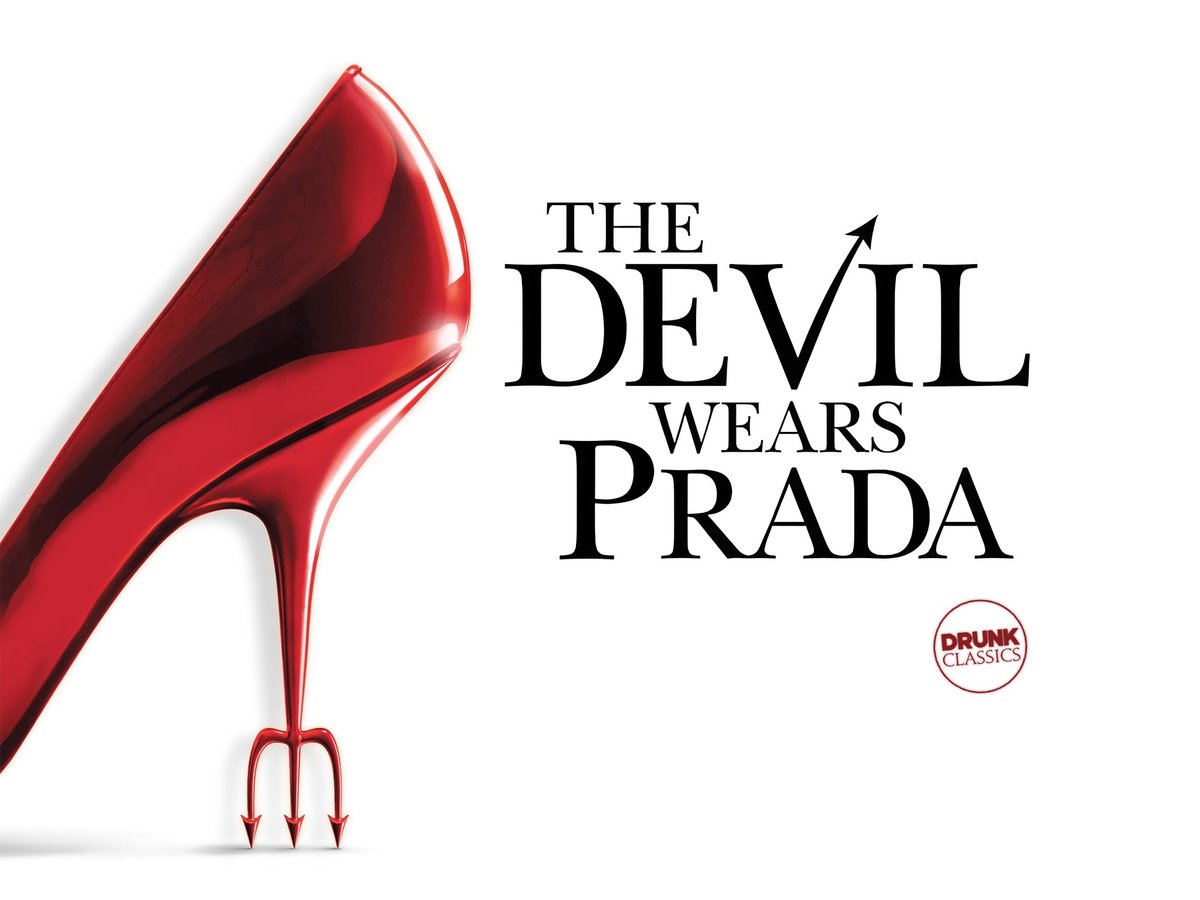
When you think of the iconic fashion film The Devil Wears Prada, chances are Meryl Streep's chilling "Miranda Priestly" and Anne Hathaway's wide-eyed "Andy Sachs" immediately come to mind. But for those who delved into Lauren Weisberger's original novel, the experience is strikingly different. The Devil Wears Prada book vs. movie differences are far more than minor tweaks; they reshape characters, alter plotlines, and even fundamentally shift the story's core message.
From Andy's personality to Miranda's backstory, and even the ultimate fates of key relationships, the adaptation took significant liberties, creating two distinct, yet equally compelling, takes on the cutthroat world of high fashion journalism. Let's peel back the layers and discover just how much changed from page to screen.
At a Glance: Book vs. Movie Differences
- Andy Sachs: Book Andy is snarkier, more cynical, and initially more dismissive of her job. Movie Andy is polite, hardworking, and genuinely seeking a journalism career.
- Andy's Appearance: Book Andy is a blonde; movie Andy (Anne Hathaway) is a brunette.
- Andy's Boyfriend: Book boyfriend Alex is more patient and less critical than movie boyfriend Nate. Their breakup in the book is final, unlike the movie's reconciliation.
- Emily Charlton: Book Emily is initially kind and empathetic to Andy; movie Emily is arrogant and cruel from the start.
- Lily (Book Only): Andy's best friend in the book, Lily, struggles with alcoholism and has a serious accident during Andy's time in Paris. She doesn't exist in the movie.
- Miranda Priestly's Backstory: The book reveals Miranda's humble, orthodox Jewish origins (Miriam Princhek) and her ruthless climb to escape poverty. The movie hints at her personal struggles but offers no such detailed history.
- Fashion Week/Paris Trip: In the movie, Andy actively volunteers to go to Paris. In the book, Emily has mono, forcing Andy's hand.
- Quitting Scene: Andy's quitting is more dramatic and public in the movie (throwing the phone) and tied to Miranda's betrayal of Nigel. In the book, it's a quiet decision after a mundane errand, prompted by Miranda's comparison of Andy to herself.
- Endings: The movie offers a hopeful reconciliation with Nate and a dream job interview for Andy. The book's ending is more ambiguous and focused on lessons learned, with no job offer or reunion.
- Overall Tone: The book is a more biting, cynical satire of the fashion world. The movie, while showing hardship, also emphasizes personal transformation and offers a more redemptive narrative.
From Page to Screen: The Genesis of a Fashion Phenomenon
Before it became a blockbuster, The Devil Wears Prada started as a tell-all novel by Lauren Weisberger, published in 2003. Weisberger, herself a former assistant to Vogue editor Anna Wintour, drew heavily from her own experiences, crafting a thinly veiled exposé of the demanding, often cutthroat, world of high fashion magazines. The book quickly became a sensation, resonating with anyone who’d ever endured a challenging boss or a soul-crushing entry-level job.
Three years later, the story hit the big screen, directed by David Frankel and adapted by Aline Brosh McKenna. The movie, starring Anne Hathaway as Andy and Meryl Streep as Miranda, wasn't just a hit; it became a cultural touchstone, cementing its place in cinematic history. While both versions revolve around a bright-eyed journalism grad navigating the treacherous waters as a personal assistant to a tyrannical fashion editor, their approaches to the narrative and character development diverge significantly. The movie aimed for broader appeal, often softening edges and adding a dash of Hollywood romance, whereas the book remained a sharp, often cynical, satire of an industry obsessed with image.
Andy Sachs: From Cynic to Relatable Everywoman
Perhaps the most significant character overhaul in The Devil Wears Prada book vs. movie differences lies with our protagonist, Andrea "Andy" Sachs.
In the book, Andy is introduced as a strong-willed, rather snobby Brown University graduate. She's blonde, smokes, swears, and has a global travel history under her belt. Her initial attitude towards Runway and its demands is one of open disdain; she often feels assignments are beneath her and isn't shy about expressing her annoyance. This Andy is less a wide-eyed innocent and more a cynical observer, making her transformation, when it happens, feel almost reluctant. Her journey is about survival and eventual rejection of a toxic world she never truly wanted to join.
The movie, however, molds Andy into a far more universally sympathetic figure. Portrayed by Anne Hathaway (who was actually the ninth choice for the role!), movie Andy is a polite, hardworking Northwestern University journalism grad. She's a brunette, soft-spoken, and views the assistant job as a necessary evil, a stepping stone to a serious journalism career. She tries her best to meet Miranda's impossible demands, often with a bewildered grace that audiences could instantly relate to. This Andy undergoes a more profound personal transformation, falling prey to the allure of the fashion world before ultimately breaking free. Her path is one of self-discovery and reclaiming her authentic self.
This shift in Andy's character profoundly impacts the story. Book Andy's journey feels more like an escape from a world she always knew was superficial, while movie Andy’s journey is about resisting the seductive pull of glamour and power.
Andy's Inner Circle: Relationships Under Pressure
Andy's relationships with her boyfriend and friends also see substantial changes, particularly in how they’re depicted and their ultimate resolutions.
Nate vs. Alex: The Unsupportive Boyfriend vs. The Patient Partner
In the movie, Andy lives with her boyfriend, Nate (Adrian Grenier). Nate, a chef, is largely unsupportive of Andy's job from the get-go. He constantly pushes her to quit, criticizes her commitment, and feels neglected, leading to frequent arguments and their eventual breakup. While they reconcile at the movie's end, their relationship's rocky portrayal serves as a clear counterpoint to Andy's deepening involvement with Runway.
The book paints a different picture. Andy lives with two female roommates, not a boyfriend. Her boyfriend, Alex Fineman, is a high school teacher and is significantly more patient and appreciative of her challenging situation. While her demanding job still strains their relationship and ultimately leads to their breakup, Alex's character is less critical and more understanding than Nate's. This difference highlights that in the book, the job itself, rather than her partner's explicit disapproval, is the primary wedge in Andy's personal life. The book describes their breakup as "irreparable," offering no hint of a reunion.
Emily Charlton: From Ally to Antagonist (and back?)
Emily Charlton, the first assistant, provides one of the most interesting character shifts. In the movie, Emily (brilliantly played by Emily Blunt) is initially arrogant, demanding, and cruelly dismissive of Andy. Her barbed comments and snobbery make her an early antagonist, though she eventually earns some sympathy after her accident. Her transformation from rival to a more understanding colleague is subtle but present.
Conversely, in Weisberger's novel, Emily is far more empathetic and kind to Andy at first. She's still overwhelmed by Miranda's demands but offers genuine advice and commiseration to her new colleague. This initial warmth makes her eventual descent into a more harried and less patient version of herself, as Andy rises, all the more poignant.
The Missing Friend: Lily
One of the most notable omissions from the movie is Andy's best friend, Lily. In the book, Lily plays a significant role, particularly as a foil to Andy's escalating work life. Lily has a growing alcohol problem, a subplot that adds another layer of drama and personal crisis to Andy's life. The culmination of this storyline sees Andy learn of Lily's drunk driving accident, leaving her in a coma, while Andy is in Paris. Despite this devastating news, Andy stays in Paris, a decision that underscores how deeply she has become entangled in Miranda's world. After Andy quits, Lily recovers, and they eventually move in with Andy's parents, attempting to rebuild their lives. Lily's absence in the film streamlined the narrative, keeping the focus squarely on Andy's professional and romantic relationships.
Miranda Priestly: The Devil's Genesis and Vulnerability
Meryl Streep's portrayal of Miranda Priestly is legendary, capturing the icy imperiousness of the character while also hinting at a subtle vulnerability. The movie Miranda is a force of nature, driven by an unyielding perfectionism and a need for control, yet we see glimpses of a human underneath the façade—a brief moment of emotional honesty about her divorce, a subtle nod to her own sacrifices.
The book delves much deeper into Miranda's origins, providing a backstory that explains her relentless drive. Miranda Priestly was born Miriam Princhek into a large, poor, orthodox Jewish family. At 17, driven by a fierce desire to escape poverty and anonymity, she quit high school to work for a British fashion designer, teaching herself French along the way. She later became a junior editor at Chic Magazine in Paris, where she shed her past, changed her name, and meticulously crafted the formidable persona of "Miranda Priestly." Book Miranda is depicted as significantly colder and less vulnerable than her movie counterpart, shunning alcohol to remain perpetually sharp and in control. This backstory, missing from the movie, transforms Miranda from an almost mythical antagonist into a more tragic, self-made figure, whose ruthlessness is born from a painful past.
Pivotal Moments and Thematic Shifts
Beyond character arcs, several key plot points and their implications differ, further solidifying the distinct tones of the book and movie.
The Paris Trip and Betrayal
The path to Paris, a critical turning point for Andy, unfolds differently. In the movie, Andy actively takes Emily's place at Fashion Week after Emily's accident, demonstrating her deep immersion in the industry and her growing ambition. This decision solidifies her commitment to Miranda and marks her full embrace of the Runway lifestyle.
In the book, Emily is diagnosed with mono, forcing Andy to go in her stead. This unexpected obligation pits work against a pre-planned romantic trip with Alex, leading to their breakup. Here, Andy doesn't "choose" to immerse herself; she's forced into it, highlighting the job's relentless nature rather than her personal ambition.
The movie also introduces the dramatic betrayal of Nigel, Miranda's loyal art director, whose dream job is stolen by Miranda to save her own position. This act of ruthlessness is a major catalyst for Andy's decision to quit, exposing the corrupting influence of the industry. This specific betrayal doesn't occur in the book.
The Quitting: Breaking Free in Different Ways
The climax of Andy's journey, her decision to leave Runway, is handled with vastly different impacts.
The movie's ending is perhaps its most memorable departure from the book. In Paris, after witnessing Miranda's betrayal of Nigel, Andy has an epiphany about the industry's corrupting influence. This prompts her to leave Miranda, dramatically throwing her phone into a fountain, severing ties with the "devil" in a definitive, public act of defiance. The movie then offers a hopeful resolution: Andy reconciles with Nate and secures a dream job interview at The New York Mirror, thanks to a surprisingly positive recommendation from Miranda, suggesting a more optimistic future for her.
The book's quitting scene is far more understated and introspective. While in Paris, Andy learns of Lily's car accident but initially stays, a decision she grapples with. The pivotal moment for Andy comes when Miranda, in an unusually candid moment, compares Andy to her younger self. This prompts Andy to reflect deeply on her life choices and the person she has become. Andy ultimately quits after being asked to run a mundane errand, a final straw in a year of indignities. Her departure is quiet, not dramatic. The book does not offer a dream job or a reconciliation with Alex; instead, it focuses on the lessons learned from her year at Runway, emphasizing growth and self-awareness over tangible achievements.
Why the Differences Matter: Tonal Shifts and Audience Reception
These numerous The Devil Wears Prada book vs. movie differences aren't arbitrary; they reflect deliberate choices by the filmmakers to adapt the story for a broader audience and a different medium.
The book, a biting satire, is less concerned with a happy ending and more with exposing the harsh realities and superficiality of the fashion world. It's a critique, often cynical, of an industry that demands everything and gives little back. Its message is darker, more ambiguous, and rooted in a specific, almost voyeuristic, fascination with the "tell-all" aspect of Weisberger's experiences.
The movie, while still portraying intense hardships and the devilish nature of Miranda, ultimately leans into a more transformative and redemptive narrative. It emphasizes the journey of an individual discovering her boundaries, the allure of success, and the importance of staying true to oneself. The hopeful ending, the reconciliation with Nate, and the dream job interview align with Hollywood conventions, offering audiences a satisfying sense of closure and an uplifting message about overcoming adversity. You can watch The Devil Wears Prada free and see these differences play out on screen for yourself.
The character changes also support these tonal shifts. A snarky, cynical book Andy makes the satire sharper, while a polite, hardworking movie Andy allows for a more relatable everywoman narrative of transformation and resilience. Miranda's detailed backstory in the book adds depth to her villainy, making her a product of her environment, whereas the movie's more mysterious Miranda remains an enigmatic force, allowing the focus to stay on Andy's struggle.
The Last Word: Two Stories, One Enduring Legacy
Ultimately, both the book and the movie versions of The Devil Wears Prada stand as significant pieces of popular culture, each contributing to our understanding of ambition, sacrifice, and the often-glamorous, sometimes brutal, world of high fashion. The book offers a sharper, more cynical exposé, while the movie provides a more accessible, emotionally resonant tale of personal growth and triumph.
Whether you prefer the biting satire of the novel or the transformative journey of the film, exploring these The Devil Wears Prada book vs. movie differences enriches your appreciation for both. They remind us that adaptation is an art form, where creators choose what to highlight, what to soften, and what to reimagine, to tell a story that resonates in its own unique way. So, which version holds your loyalty? Perhaps the truest answer is that both deserve a cherished spot in our cultural closet.