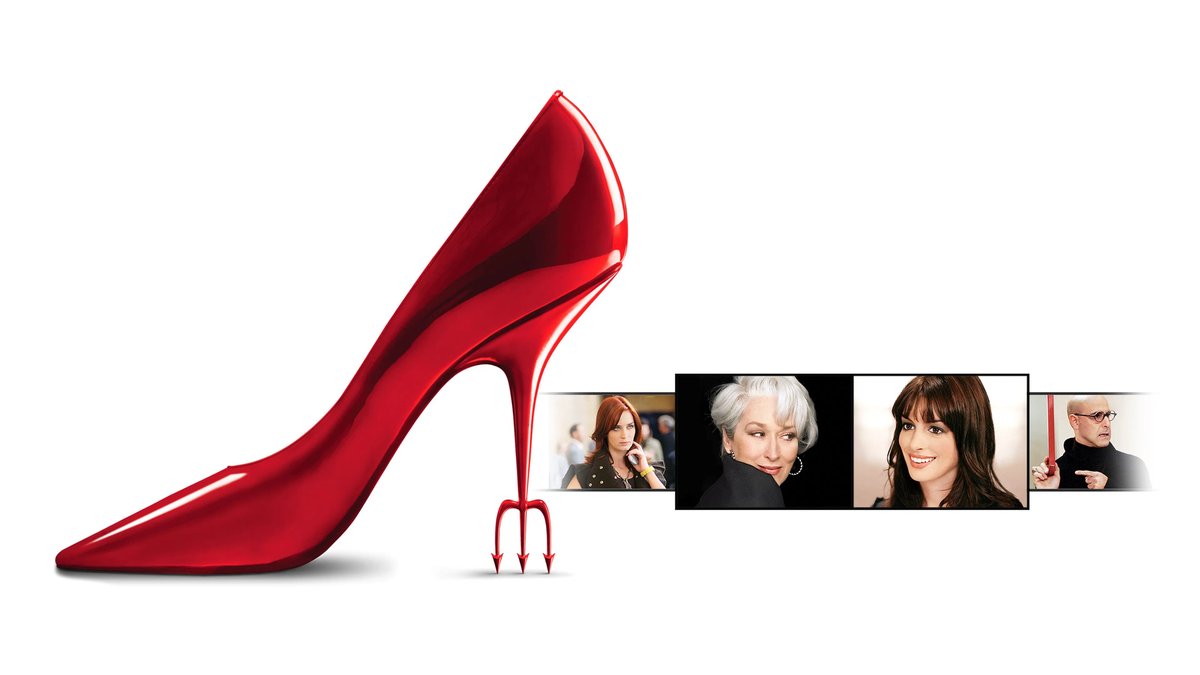
When The Devil Wears Prada sashayed onto screens in 2006, it wasn't just another fashion film; it was a cultural phenomenon. More than fifteen years later, the conversation around its reviews, critiques, and cultural impact remains as vibrant and relevant as ever, sparking debate about ambition, power, and the true cost of a dream job. This film didn't just entertain; it redefined how we talk about the cutthroat world of publishing, the allure of haute couture, and the formidable women who run it all.
At a Glance: Why Prada Still Captivates
- A Critical Darling, with Caveats: Praised for style and performances, particularly Meryl Streep's iconic Miranda Priestly, yet often critiqued for its "hollow" messaging that celebrates what it purports to satirize.
- Fashion's New Ambassador: The film significantly influenced popular culture and the fashion industry, democratizing fashion terminology and igniting interest in haute couture.
- Miranda's Legacy: Meryl Streep's portrayal became a blueprint for strong, complex female leadership in cinema, inspiring discussions on power and authority.
- The Millennial Mirror: Andrea Sachs's journey continues to resonate with new generations navigating ambition, work-life balance, and identity in high-pressure environments.
- Enduring Relevance: Its themes of transformation, sacrifice, and the complexities of modern work ensure its place as a cinematic touchstone that invites continuous reflection.
The Runway to Stardom: A Quick Look Back at an Unlikely Hit
Remember 2006? The world was a different place, but even then, the tale of a wide-eyed, intellectually ambitious recent college graduate, Andrea Sachs (Anne Hathaway), thrust into the glamorous yet brutal world of high fashion at Runway magazine, felt incredibly timely. Based on Lauren Weisberger's 2003 novel, The Devil Wears Prada pitted Andrea against the formidable, ice-cold editor-in-chief, Miranda Priestly (Meryl Streep), a character widely believed to be inspired by Vogue's Anna Wintour.
From its very first frames, the film, directed by David Frankel, promised an insider's look into a world both alluring and terrifying. It wasn't just about clothes; it was about power, the choices we make for our careers, and how quickly we can lose ourselves in the pursuit of success. The film’s release cemented its place as a cultural touchstone, swiftly moving beyond a mere movie to become a reference point for everything from workplace dynamics to personal style.
Initial Impressions: What the Critics Said (and Missed)
Upon its release, The Devil Wears Prada was met with generally positive critical reception, lauded primarily as a "stylish and entertaining comedy-drama." Critics were quick to praise director David Frankel’s effective vision of Manhattan, painting a vivid backdrop for the aspiring career girl's journey. The film had a visual flair that made the fashion world feel both aspirational and intimately tangible.
Meryl Streep's Masterclass: "A Cunning and Imposing Figure"
Without a doubt, the brightest star in the critical firmament was Meryl Streep's performance as Miranda Priestly. Reviewers showered her with accolades, describing her portrayal as nothing short of iconic. Streep wasn’t just acting; she became Miranda, crafting a character so formidable, so subtly terrifying, and yet so captivating that she instantly entered the pantheon of cinema's most memorable antagonists. Her ability to convey immense power with a mere gaze or a whisper, making her subordinates quake in their (undoubtedly expensive) boots, was universally praised. She embodied the "cunning and imposing Anna Wintour-esque figure" with an almost supernatural grace, making Miranda Priestly a gold standard for strong, complex female leadership on screen.
The "Hollow Messaging" Critique: Celebrating While Satirizing?
However, not all critiques were entirely glowing, and a significant point of contention emerged regarding the film's underlying message. Many critics pointed to what they perceived as "hollow and convenient messaging," suggesting that while the film aimed to satirize the cutthroat fashion and publishing industries, it ultimately seemed to celebrate rather than genuinely critique them.
The screenplay, penned by Aline Brosh McKenna, was often highlighted for imparting "conflicting moral messages." It ostensibly condemned corporate evils and the toxic demands placed on employees, yet simultaneously empowered the protagonist, Andrea, through her demanding fashion job. Her transformation from an "ugly," "overweight," anti-fashion journalist into a confident career girl was portrayed as a positive arc, even if it came at a personal cost. This dual narrative left some critics wondering if the film truly understood the gravity of the issues it raised, or if it simply used them as a glamorous backdrop for a feel-good story.
Andrea Sachs: A Miscast Journey to "Net Character Growth: Zero"?
Anne Hathaway's portrayal of Andrea Sachs received a more mixed response. While Hathaway certainly brought a relatable charm to the role, some critics felt she was "miscast" as the initially frumpy outsider. The central critique of Andrea’s character arc revolved around her transformation: she embraces the fashion world, gains confidence and competence, only to famously quit and return to her original journalistic roots. This led to the pointed observation of "net character growth: zero" by some reviewers, who argued that Andrea's journey ultimately negated any real development, implying she returned precisely where she started, albeit with a new wardrobe and a slightly thicker skin. This critique prompts reflection: was Andrea’s return to her roots a defeat, or a victory in reclaiming her authentic self? Perhaps it depends on your own career journey.
The Sound of Style: A 2000s Rom-Com Vibe
The film's pop-rock-jazz score by Theodore Shapiro perfectly captured the energetic, slightly chaotic, yet ultimately feel-good "2000s rom-com vibe." It underscored the fast-paced world of Runway and Andrea's frantic attempts to keep up. One particular highlight universally noted was the iconic Paris montage, perfectly set to U2, which dramatically showcased Andrea's evolution and growing comfort in her new, stylish skin.
Beyond the Box Office: The Cultural Earthquake
The Devil Wears Prada transcended its cinematic origins, becoming a genuine cultural touchstone that continues to resonate. Its impact rippled far beyond movie theaters, profoundly influencing popular culture and, perhaps most notably, the fashion industry itself. If you're looking for a quick escape into this world, you can even Watch The Devil Wears Prada free.
Fashion's New PR Agent: Democratizing Haute Couture
Before Prada, the inner workings of the fashion world felt like a tightly guarded secret, accessible only to a select few. The film ripped back the velvet curtain, offering a captivating glimpse into the high-stakes, high-glamour (and sometimes absurd) processes of fashion production and magazine publishing. Suddenly, terms like "cerulean," "girdle," and "accessories wall" became part of everyday vernacular.
The movie didn't just introduce fashion terminology; it "ignited interest in haute couture" for a mainstream audience. It showed the artistry, the passion, and the sheer power of clothing, making high fashion feel less intimidating and more fascinating. Iconic moments, like Andrea's makeover or Miranda's withering critiques, sparked countless discussions on "fashion’s role in empowerment," proving that clothes are never just clothes; they are a statement, a shield, and a tool.
Miranda Priestly: A Masterclass in Power (and Paradox)
Meryl Streep's Miranda Priestly became more than a character; she became an archetype. Her portrayal was swiftly recognized as an "iconic model for strong female leadership," albeit one steeped in complexity and often, outright cruelty. She wasn’t simply a villain; she was a force of nature, a woman who wielded immense power in a male-dominated industry, uncompromising in her vision and unapologetic in her demands.
Miranda’s influence extended beyond film buffs. Her sharp style, unwavering confidence, and ability to command a room with a whisper resonated deeply, influencing designers, brands, and even how we perceive contemporary fashion leadership. She challenged traditional notions of likability, demonstrating that power, especially female power, doesn't always have to be gentle or agreeable. Her character sparked vital conversations about the costs of ambition, the nature of leadership, and the double standards often applied to powerful women.
The Andrea Sachs Effect: Ambition, Sacrifice, and Identity
Andrea Sachs’s journey—her initial disdain for fashion, her gradual immersion, her transformation, and ultimate departure—struck a deep chord, especially with young professionals. Her dilemma mirrored a common struggle: how much of yourself are you willing to sacrifice for a coveted career? The film became a touchstone for "new generations" entering competitive fields, prompting "reflections on ambition and identity in high-pressure environments."
Andrea's story encapsulated the bittersweet reality of many "dream jobs": they might look glamorous from the outside, but often come with grueling hours, toxic bosses, and personal compromises. Viewers saw themselves in Andrea's struggle to maintain her relationships, her sense of self, and her initial journalistic integrity amidst the relentless demands of Runway.
Redefining the "Dream Job": The Glamour vs. The Grind
The Devil Wears Prada brought the complexities of modern work-life balance and personal identity to the forefront of pop culture. It beautifully illustrated the dichotomy between the glamorous facade of an industry and the exhausting, often thankless, grind that sustains it. The film showed that a "dream job" isn't always what it seems, and sometimes, the most profound success is knowing when to walk away and redefine what truly matters to you. It validated the experience of many who have questioned whether the rewards of a high-pressure career are truly worth the personal toll.
Enduring Echoes: Why It Still Matters
More than a decade and a half later, The Devil Wears Prada's legacy endures. It continues to be streamed, quoted, and discussed, its themes remaining remarkably pertinent in our ever-evolving world of work and media.
Timeless Themes: Power, Transformation, and the Cost of Ambition
At its heart, the film is a masterclass in exploring universal human experiences: the seductive pull of power, the personal transformation that comes with stepping outside your comfort zone, and the often-unseen sacrifices made in the name of ambition. Miranda and Andrea, in their contrasting approaches to success, represent two sides of a complex coin, offering viewers a multifaceted look at what it means to "make it" and at what cost.
The film's relevance in current discussions on workplace culture, gender dynamics, and ethical leadership has only intensified. As debates around toxic work environments, #MeToo, and the demand for greater work-life integration continue, The Devil Wears Prada serves as an unofficial case study, offering rich material for analysis and reflection. It prompts us to ask: has anything really changed in these high-pressure worlds, or are the Mirandas of the world still thriving, perhaps just with a slightly more polished public image?
A "Devil" You Know: Common Misconceptions
One common misconception is that the film simply "glamorizes toxic work environments." While it certainly showcases the allure of the fashion world, it equally—and often more powerfully—depicts the soul-crushing grind, the casual cruelty, and the personal sacrifices demanded. The film doesn't present Andrea's final decision as a failure, but rather as a victory of self-preservation and a reassertion of personal values.
Another point of debate, the "net character growth: zero" critique, misses a crucial nuance. Andrea's journey, though it brings her back to her roots, is not a return to her original self. She is undeniably transformed: more confident, more discerning, and crucially, more aware of what she doesn't want. Her experience, though painful, provides her with invaluable clarity and resilience, which is profound growth indeed. The film suggests that sometimes, understanding what you don't want is just as important as knowing what you do.
Looking Back, Moving Forward: What We Learn from Prada
So, what actionable insights can we glean from a film that debuted well over a decade ago? Quite a lot, actually. The Devil Wears Prada remains a powerful, if sometimes bittersweet, guide to navigating the professional world and staying true to yourself.
- Define Your "Non-Negotiables": Andrea’s journey highlights the importance of identifying your personal boundaries and values early in your career. What are you willing to compromise, and what is simply non-negotiable? Knowing this can save you from burnout and regret.
- Recognize the Glamour Trap: The film brilliantly exposes the chasm between perceived glamour and actual reality in many high-profile industries. Don't be swayed solely by external appearances; look beneath the surface to understand the true demands and culture of a role or company.
- Mentorship Comes in Many Forms: While Miranda is hardly a benevolent mentor, Andrea learns an immense amount from her—both what to do and what not to do. Pay attention to all the figures in your professional life; lessons can come from unexpected places.
- Growth Isn't Always Linear: Andrea's decision to leave Runway might seem like a step backward to some, but it's a testament to growth through self-awareness. Your career path doesn't have to be a straight line up; sometimes, a pivot or a return to basics is the most significant leap forward.
- Critique the Media You Consume: The film itself, through its reception, invites us to think critically about the messages we absorb from popular culture. Does it truly critique, or merely glamorize? Understanding this distinction makes you a more discerning consumer of stories and ideas.
Ultimately, The Devil Wears Prada is far more than a chic comedy-drama. It's a mirror reflecting our own aspirations, our ethical quandaries, and the enduring quest for identity in a world that constantly asks us to conform. Its reviews and critiques reveal a film that dared to show the glittering, sharp edges of ambition, while its cultural impact proves its lasting power to provoke thought and inspire conversation, cementing its undeniable place as a significant piece of cinematic history.